

Through our newsletter we like to keep you informed of the (recent) developments within the projects in Indonesia and our activities in the Netherlands.
JUNE 2026 – number 36
Around this time of year, you are accustomed to receiving a newsletter from us with a report on visits to the projects. When Willemien was supposed to depart, the situation in and around the Middle East was so uncertain that she canceled her trip. This was also based on messages she received from our contacts in Indonesia. She now hopes to go in the autumn. In the meantime, a lot has happened, and thanks to frequent WhatsApp and phone contact, there is still plenty to share. Thanks to two special donations we recently received, we were able to provide extra support to Seva Karuna and Pondok Gerasa!
THE NETHERLANDS

Invitation
The annual SRI kumpulan will take place on:
Sunday, August 16, 2026, from 11:00 AM to 3:00 PM
Once again at Albert and Axel’s home, Aert van de Goesstraat 15, The Hague.
We hope to meet many of you there!
JAVA
Contactperson Ratih, Solo
The Lidia women’s group in Solo celebrated Hari Kartini again this year, while also marking Lidia’s 15th anniversary. During this gathering, a change in leadership also took place.
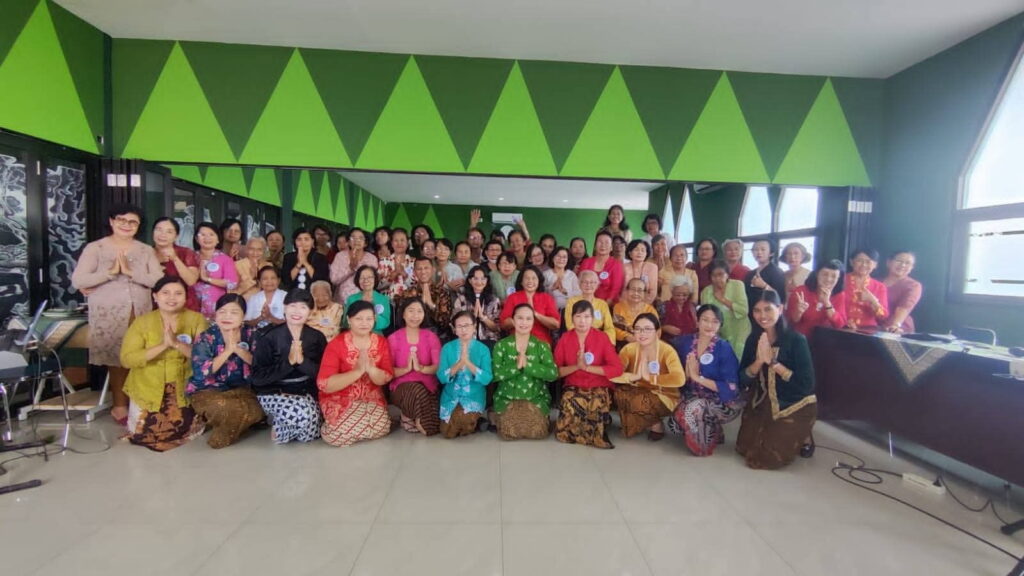
This spring, Lidia organized a workshop on capacity building, attended by around 60 women.
The effects of the war in the Middle East are also clearly felt in Indonesia. Inflation has risen, and so have prices. Women who run small food stalls (warungs) notice that people have less to spend, so their income has decreased. More work needs to be done from home to reduce fuel usage.
Our contact person monitors the situation and will flag any urgent problems where SRI might be able to offer support.
This semester, two girls we support have completed their bachelor’s degrees – one in accountancy and the other in nursing. Wonderful news! They are now looking for jobs.
Contact person Yani, Solo
The Sangu Gesang group lives near a landfill site, which causes significant nuisance due to odor, air pollution, and (heavy) truck traffic. This is becoming a major issue in many places in Indonesia, since many landfill sites are full. As a result, people increasingly burn their own waste, thus creating new problems with significant environmental impact.
Sebelas Maret University in Solo has recently started a collaboration with the Sangu Gesang group and SRI. Several postdoctoral students will evaluate the process described below. The initial focus is on empowering women. In this area, it is customary for women to stop working once they have children. Many men work in the city.
For example, the woman who runs the laundry has just had a baby, and now the laundry is no longer operating. She therefore loses her income and becomes fully dependent on her husband again. With the support of another woman, she hopes to resume the laundry soon.
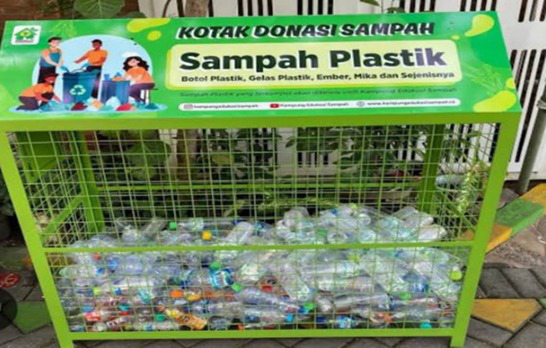
At the center of these empowerment trainings is the “green mosque,” where women gather to talk and receive environmental education. In addition to empowerment, an important topic will be waste separation, particularly plastics. Containers will be placed near the mosque and at a central location in the village.
After some time, postdoctoral students will evaluate the process. Next steps will include training in separating organic and inorganic waste.
BALI
Pondok Gerasa (the safehouse in the Tabanan area)
SRI currently supports the education of 14 children living here because their home situations are unsafe.
In April, Willemien had a video call with the leadership of the Gerasa Foundation, of which Pondok Gerasa is part. It was good to see and speak with each other, and to hear that the children are doing well.
In addition to this safe house, they also guide individuals through addiction recovery programs in Denpasar and care for people living with HIV. We hope to learn and see more about this during a future visit. They are very grateful to SRI for the support, which enables the children at Pondok Gerasa to continue their education.
Seva Karuna (preschool near Ubud)
Due to changes in the education system, Seva Karuna will now focus only on children aged 3–4 years. Education requirements for 5–6-year-olds have been changed and Seva Karuna is not capable to meet these new regulations.
In Bali, more women are working, and the demand for childcare is increasing. Starting with the new school year in July, the school day will run from 8:00 AM to 1:00 PM, including a rest period and lunch. There are currently nearly 15 registrations.
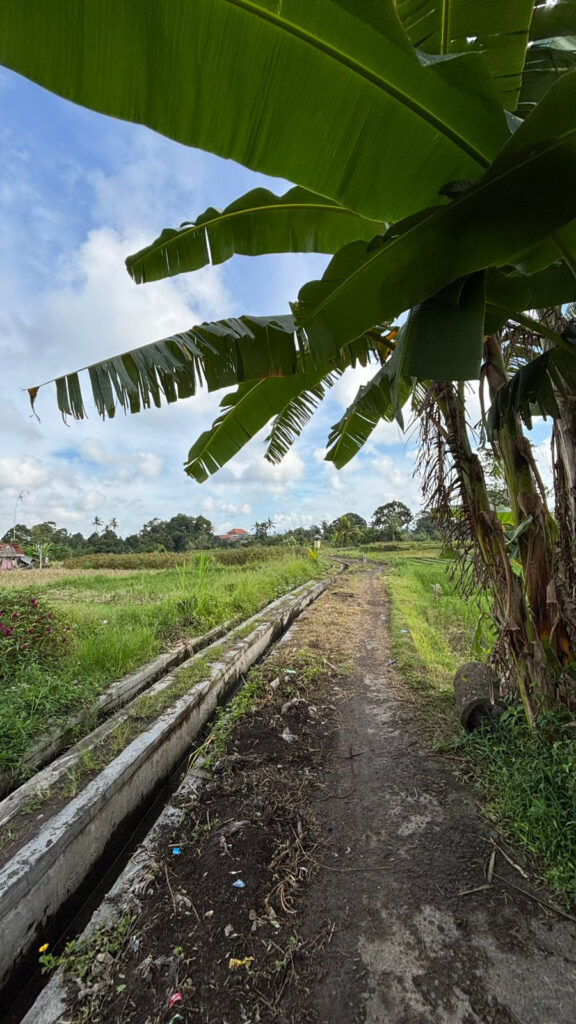
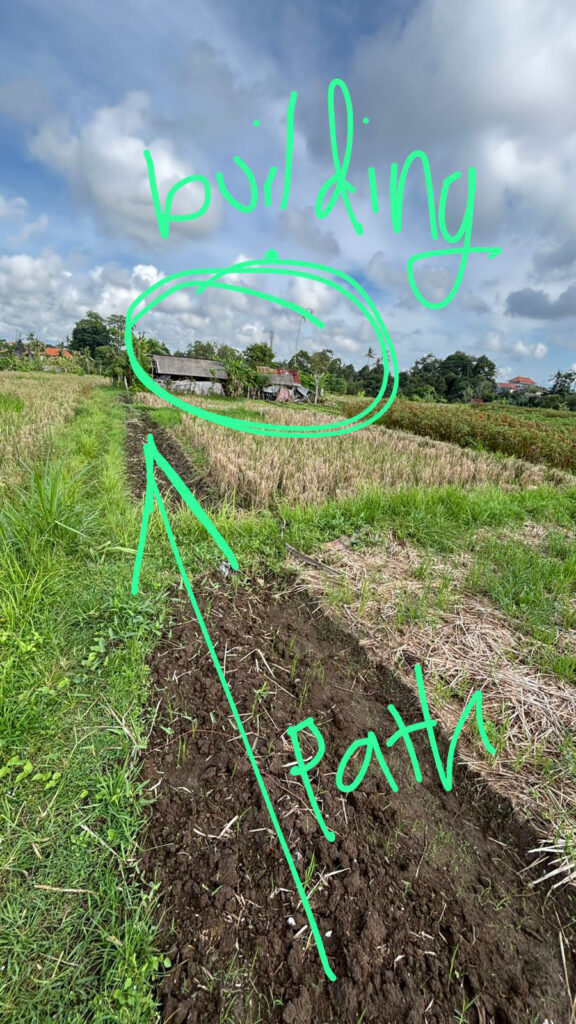
Plans are being made to build a new semi-open building larger than the current one, so that it can accommodate two classes.
The land for construction is already available, located between the rice paddy fields. Nature and Balinese culture will play an important role in the educational program. They are actively seeking additional sponsors for the construction, which is expected to begin soon. The photo shows where the school will be built. The road leading to it will be further paved and is wide enough for two motorcycles to pass side by side. Motorcycles are the most commonly used means of transportation.
We supported the son of the late tailor Yoyon after he was dismissed from his job, following illness and hospitalization. He did not receive any payment for the period he was ill. He had simply been absent too long, which is considered grounds for dismissal in Indonesia…
We hope to meet you on Sunday, August 16, 2026, during the Kumpulan.
There will again be products made by the women, and of course there will be delicious food!